
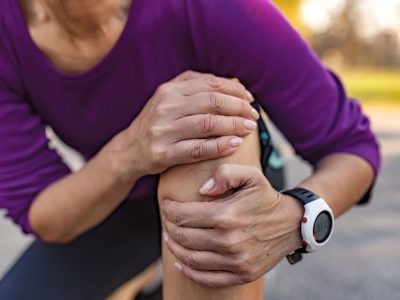
If you’re an active adult in St. John, Indiana, dealing with pain around the front of your knee, especially during or after running, you might be experiencing runner’s knee.
At PursuitPT, we help active adults in Northwest Indiana move better, feel better, and get back to what they love — without unnecessary medications, injections, or surgery. Let’s break down what runner’s knee really is, why it happens, and how physical therapy can help you recover the right way.
What Is Runner’s Knee?
Runner’s knee, medically known as patellofemoral pain syndrome (PFPS), is one of the most common causes of knee pain in runners and active adults.
It typically presents as:
- Dull, aching pain in the front of the knee
- Pain going up or down stairs
- Discomfort with squatting or lunging
- Pain after sitting for long periods
- Clicking or grinding sensations around the kneecap
Despite the name, you don’t have to be a runner to develop it. We frequently treat runner’s knee at PursuitPT in St. John and Crown Point, especially in active adults who lift, cycle, hike, or play recreational sports.
What Causes Runner’s Knee?
Runner’s knee is rarely just a “knee problem.” Most often, it’s a movement problem.
Here are the most common contributing factors we see in our Northwest Indiana clinics:
1. Hip Weakness
Weak glutes can cause the knee to collapse inward during running or squatting, increasing stress on the kneecap.
2. Overtraining or Sudden Mileage Increases
Increasing mileage, speed work, or hills too quickly can overload the knee joint.
3. Poor Running Mechanics
Stride length, cadence, and landing patterns can influence stress on the knee.
4. Limited Ankle Mobility
Stiff ankles change how force is absorbed, pushing extra stress to the knee.
5. Muscle Imbalances
Tight quads, IT band irritation, or hamstring stiffness can all affect kneecap tracking.
At PursuitPT, we look at the entire movement system — not just where it hurts.

How Physical Therapy Helps Runner’s Knee
If you’re searching for a physical therapist in St. John for knee pain, here’s what you can expect at PursuitPT:
✔ Comprehensive Movement Assessment
We evaluate your:
- Running mechanics
- Strength (especially hips and core)
- Ankle mobility
- Balance and stability
- Training history
✔ Hands-on care
Hands-on care may include:
- Soft tissue mobilization
- Joint mobilzations
- Cupping
- Dry needling
- Instrument assisted soft tissue mobizlation
- Myofascial release
✔ Customized Strength Program
We focus heavily on:
- Glute strengthening
- Single-leg control
- Core stability
- Progressive loading
✔ Running Form & Cadence Adjustments
Small changes in cadence or stride can significantly reduce knee stress.
✔ Return-to-Run Plan
We guide you step-by-step back into mileage safely so you don’t flare it up again.
Should You Stop Running with Runner’s Knee?
Not always.
Complete rest isn’t usually necessary — but smart modifications are. In many cases, we:
- Temporarily reduce mileage
- Adjust pace or terrain
- Incorporate cross-training
- Introduce strength work immediately
The key is controlled loading, not total shutdown.
When to See a Physical Therapist for Runner’s Knee
You should schedule an evaluation if:
- Your knee pain has lasted more than 1–2 weeks
- Pain is limiting your mileage or workouts
- Stairs or squats are consistently painful
- You’ve tried rest and stretching with no improvement
- The pain keeps coming back
Early intervention prevents chronic irritation and keeps small problems from becoming long-term setbacks.
Why Choose PursuitPT for Runner’s Knee in Northwest Indiana?
At PursuitPT, we specialize in helping active adults in:
- St. John
- Crown Point
- Dyer
- Schererville
- Cedar Lake
- Lowell
- Across Lake County
We don’t just treat symptoms. We identify why your knee is irritated and build a clear, progressive plan to fix it — so you can run confidently again.
Our approach is:
- Full of hands-on care
- One-on-one care
- Movement-based and performance-focused
- Designed for long-term results
- Built around your goals
The Bottom Line
Runner’s knee is common — but it’s also highly treatable.
With the right strength program, smart training adjustments, and proper guidance, most runners return stronger than before.
If you’re dealing with knee pain in St. John or Northwest Indiana, you don’t have to figure it out alone.
